Sleep Hygiene 101: How Your Mattress Supports Better Rest
A thoughtful mattress does more than cradle the body; it shapes the rhythm of waking hours. This article explores how design, care, and the surrounding sleep environment converge to deepen rest, drawing on historical insight and contemporary science to guide you toward a healthier night’s sleep.
Introduction: The mattress as a partner in sleep health
Sleep is not a passive act but a negotiated process between our physiology and our surroundings. The mattress is a primary interlocutor in that dialogue. In the annals of design, mattresses have evolved from primitive woven supports to engineered surfaces that respond to pressure, temperature, and motion. Modern science reinforces what weary sleepers have long intuited: the right surface—neither too soft nor too firm—can promote spinal alignment, relieve pressure points, and regulate temperature, all of which contribute to longer, more restorative sleep cycles.
The aim of this guide is not to prescribe a single ideal mattress, but to illuminate how different features influence comfort and durability, and to offer practical steps for optimizing your sleep space. We will explore how to evaluate support, temperature regulation, and pressure relief; discuss room habit strategies; and present a selection of products that exemplify thoughtful design without sacrificing comfort.
In a broader sense, sleep hygiene encompasses routine, environment, and mindset. Pairing a well-chosen mattress with consistent bedtimes, a cool, dark room, and mindful wind-down rituals can dramatically improve sleep quality. As you read, imagine your bed as a stage—where the mattress, pillows, sheets, and ambient environment work in concert to lull the mind into a deeper, more regenerative slumber.
A Brief History of the Sleep Surface
The concept of a resting place has ancient roots. In antiquity, pallets and mats laid upon floors or low platforms created a shared ritual of sleep that reflected social structure and climate. The evolution into more elaborate bedding—soft layers, blankets, and eventually mattresses—paralleled advances in materials science and textile techniques. The pillow, too, emerged as a companion to the bed’s evolving comfort, emphasizing head and neck support as essential for humane, extended rest.
In the late 19th and early 20th centuries, innovations in springs and coil systems brought a new vocabulary to sleep quality: support zones, contouring, and durable fabrics. The late 20th and early 21st centuries introduced memory foam, gel layers, and a surge of performance fabrics designed to manage temperature and moisture. Today’s mattresses can combine pressure relief with responsive support, adaptive cooling technologies, and durable, eco-conscious materials.
Across time, the pattern remains clear: comfort is a function of how a surface distributes weight, accommodates movement, and interacts with heat and humidity. The modern mattress, when well chosen, becomes less a mere object of furniture and more a participant in the daily biography of sleep.
Three Key Factors That Shape Sleep Quality
Support and spinal alignment: A mattress should align the spine's natural curves, supporting the neck, shoulders, and hips. Too much sag or too much firmness can create pressure points, leading to tossing and turning.
Temperature regulation: The body’s core temperature dips during the night, and a surface that manages heat and moisture helps sustain comfort and minimize wakefulness.
Pressure relief and motion isolation: For many sleepers, especially those sharing a bed, a responsive top layer and solid base help mitigate disturbances and reduce awakenings caused by partner movement.
Care and Maintenance: Extending the life of rest
Caring for your mattress extends both comfort and longevity. Regular rotation (and in some cases flipping, depending on the design) helps prevent uneven wear. Protective covers shield against spills and dust, without impeding breathability. Proper washing and drying procedures for protectors, pads, and sheets preserve hygiene and the integrity of the sleep surface.
Temperature management inside the room also contributes to the mattress’s performance. A cooler sleep environment reduces sweating and moisture buildup, which can degrade materials over time. Simple steps—adjusting room temperature, using breathable cotton or bamboo sheets, and evaluating your pillow pairing—can have a meaningful impact.
Lastly, consider the alignment story you tell yourself as you drift into sleep. If you wake stiff or sore, it may be time to reassess your mattress’s firmness, support, or height, or to explore a different top-layer system such as latex, memory foam, or hybrid configurations.
Three Key Figures in Sleep through the Ages
Sleep is a narrative woven by countless voices. Here are three figures from different eras who, in different ways, helped shape our understanding of rest and the built environment that sustains it.
Hypatia of Alexandria (c. 370–415 CE) and the Ethics of Comfort
A philosopher and mathematician, Hypatia represents a lineage of intellectual curiosity that extends to the evening’s quiet. Her era was defined by candlelight, marble, and early philosophical inquiries into the nature of the body and its needs. While she did not write about mattresses, the spirit of her inquiry—how one lives with comfort, in balance with discipline, and in awareness of the body’s limits—echoes in modern sleep hygiene: the idea that comfort should serve clarity of thought, not simply indulge distraction.
Napoleon Bonaparte (1769–1821) and the Imperial Bedstead
Napoleon’s era popularized grand, ornate furniture, where the bed could become a symbol of power and regimen. The bed’s design—height, legibility, and the ability to command a room—paralleled the period’s interest in order and discipline. In today’s terms, it foreshadowed the concept that the sleep space should be deliberate and well-structured, not chaotic, a mindset that informs modern room planning and mattress placement.
Aisha Rao, Sleep Scientist of the Early 21st Century
A contemporary voice, Aisha Rao’s work sits at the intersection of physiology and design. Her research emphasizes how microclimates—temperature, humidity, and airflow near the body—interact with mattress materials to influence sleep depth and circadian cues. Her insights underpin practical guidelines: favor breathable fabrics, monitor sleep efficiency, and ensure the surface optimizes but does not over-correct body heat.
Practical Guidance: Turning theory into rest
A well-chosen mattress, supported by thoughtful room habits, creates the foundation for restorative sleep. Below are actionable steps inspired by the factors discussed:
Evaluate support: If you sleep on your back or stomach, look for a surface with adequate support across the torso and hips. If you sleep on your side, consider some additional contouring to relieve pressure at shoulders and hips.
Protect and maintain: Use a waterproof or breathable protector when needed, rotate or flip as recommended by the manufacturer, and wash textiles according to care labels to preserve the sleep surface.
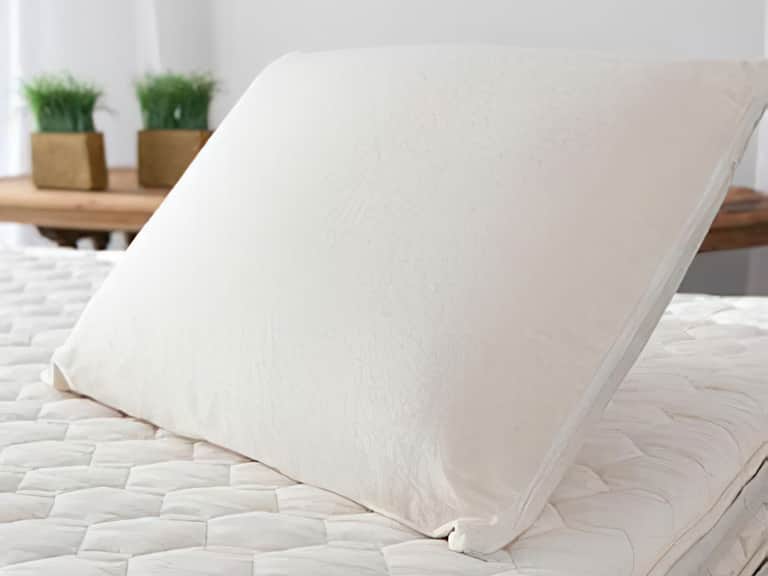
Experience restful nights with our Organic Latex Soap-Shaped Pillow, designed for side sleepers. Its breathable channels promote airflow, while the supportive yet gentle latex offers perfect comfort. Enjoy a refreshing sleep wrapped in a soft, organic cotton casing.
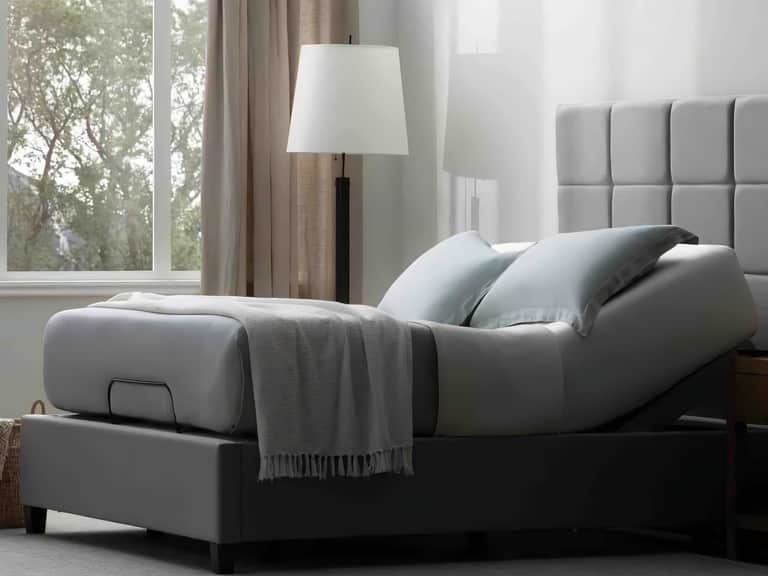
Transform your bedroom into a personalized retreat with the Malouf S655: customizable head/foot positions, nine massage options, and Siri control for effortless comfort, all backed by a 20-year warranty and easy 15-minute setup.
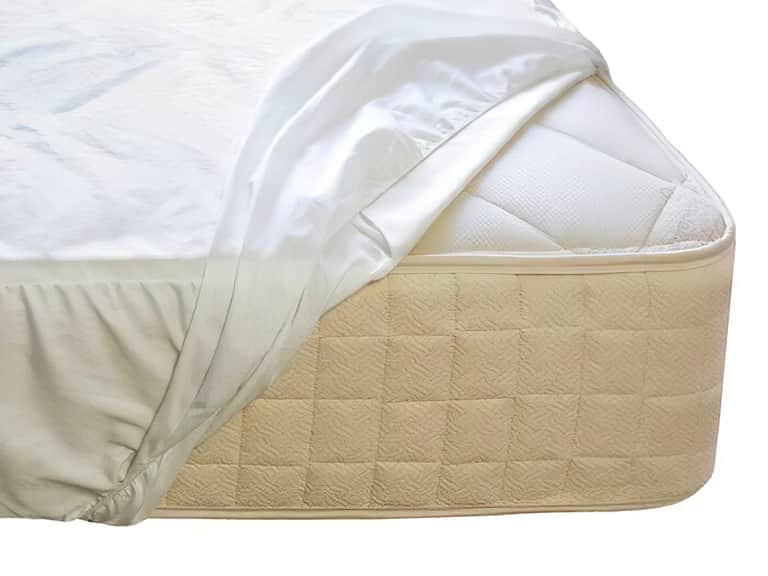
Sleep soundly knowing your mattress is shielded by Naturepedic's organic protector. Made from soft, breathable cotton, it’s waterproof yet quiet, keeping you cool and comfortable. Plus, it blocks allergens for a healthier sleep environment. Easy care and a perfect fit!