How Your Mattress Choice Impacts Sleep Quality: A Practical Guide

In the quiet hours before dawn, sleep reveals its secrets not in snickers and sighs, but in the material world beneath us. The mattress we choose, the firmness we crave, and the sense of temperature we endure—these are not mere preferences. They are the architecture of rest. This guide, written with the clarity of a New Yorker profile and the rigor of a sleep scientist’s field notes, invites readers to evaluate their own sleep needs and to assemble a mattress that supports better rest in a busy, modern life.

Why Mattress Type Matters

Mattress technology has evolved from spring-coil systems to hybrid blends that blend memory foam, latex, and breathable fabrics. The differences matter because each material responds to weight, heat, and pressure in distinct ways. Memory foam tends to contour to the body, offering superior pressure relief for many sleepers, but it can trap heat if the cover is not breathable. Innerspring builds, with their steel coils, often deliver strong support and robust durability, with better air circulation. Hybrids aim to capture the best of both worlds, combining coils and foam to balance support, contouring, and temperature.

Firmness and Sleep Position: A Practical Lens

Sleep position guides us toward a starting point for firmness. Side sleepers typically benefit from a bit more cushioning at the shoulders and hips to maintain spinal alignment. Back sleepers may prefer a medium to medium-firm feel to keep the spine in a neutral posture. Stomach sleepers often require firmer support to prevent the midsection from bowing. Remember, firmness is relative to body weight and padding, so a “medium” for one person can feel distinctly different for another.

A Quick Comparison: Memory Foam, Innerspring, and Hybrid

  • Memory Foam: Excellent pressure relief and contouring. Best for people who want to minimize motion transfer and who sleep in one position for long periods. Can trap heat unless combined with breathable covers or gel-infused foams.
  • Innerspring: Strong support and durability with open airflow. Great for sleepers who sweat at night or prefer a cooler surface. Often pairs well with a more universal feel that suits multiple sleep styles.
  • Hybrid: A balanced approach—coils for support and foams for pressure relief. Hybrids are adaptable to many sleeping styles, with some heat-management advantages when designed with breathable top layers.

A Step-by-Step Mattress Evaluation Checklist

  1. Assess your current sleep problems: waking with stiffness, hot nights, or numb limbs?
  2. Test for spinal alignment: lie on your back and side with a neutral spine alignment; note if hips and shoulders feel supported without sagging or arching unnaturally.
  3. Test firmness in real-life conditions: spend at least 10-15 minutes lying in your typical sleep positions; pay attention to heat buildup and edge support.
  4. Evaluate motion isolation if sharing a bed: does a partner’s movement disrupt your sleep, or does the mattress cushion motion?
  5. Examine durability: how does the mattress respond after 20-30 minutes of lie-down, and how does it feel when you switch positions?

A Practical Trial Approach

Look for a trial period that lets you assess the mattress in your own bedroom. A generous trial window—ideally 90 nights or more—reduces buyer’s remorse and provides the space to adapt to a new feel. During the trial, document your sleep quality, waking comfort, and any changes in pain or stiffness. Your goal is not merely a neutral morning; you want mornings that feel restorative and ready for the day ahead.

Key Individuals in the Sleep Conversation Across Time

The pursuit of sleep quality is not new. Across eras, thinkers and scientists have offered insights—some practical, some speculative—about how we rest and why it matters. Here are three figures from different time periods who illuminate the conversation in distinct ways.

Hypatia of Alexandria (early 4th century CE)

Philosopher-mathematician who navigated the stars and the pulse of daily life in ancient Alexandria.

Hypatia’s era reminds us that sleep has always been about balance—between study and rest, between the mind’s hunger for knowledge and the body’s need for recovery. Her life, imagined here, serves as a reminder that a tranquil body supports a rigorous mind. In the mattress conversation, this translates into designing sleep surfaces that do not merely cushion but sustain focus, reducing cognitive friction and enabling long, undisturbed nights for intellectual labor the next day.

Charles Babbage (1791–1871)

Mathematician and inventor who imagined machines that could compute, almost predicting the era of data-driven design.

Babbage’s insistence on modular thinking—designing complex systems from reliable, repeatable parts—finds a parallel in mattress construction. The modern sleep surface benefits from modular layers: a base for support, a middle layer for contouring, and a top layer for temperature management. The principle is simple: if each layer works in concert, the whole bed becomes a blueprint for healthier sleep, much as a well-engineered calculator unclutters the mind for clearer thought.

Dr. David Helms (1960s–present)

A hypothetical contemporary sleep scientist embodying evidence-based practice in the modern era.

In today’s context, Helms represents the integrative approach: combining aerodynamic fabric technology, foam formulations, and coil dynamics to optimize temperature, pressure relief, and motion isolation. The modern mattress is a living interface between body and environment—a product of iterative testing, real-user feedback, and ongoing material science breakthroughs.

Practical Guidance: Choosing a Mattress for Sleep Quality

To turn theory into practice, consider the following steps as you evaluate your options. The goal is a mattress that preserves spinal alignment, provides pressure relief where needed, and maintains a breathable surface to regulate temperature.

Step 1: Profile Your Sleep Needs

Begin with a candid assessment of your sleep history. Do you wake with stiffness, or do you wake repeatedly during the night due to heat? Are you a restless sleeper who moves a lot, or do you settle into one position for hours? Your answers guide your target materials—the right blend of contouring for pressure relief and openness for airflow.

Step 2: Match to Sleep Position

Side sleepers often need a mild cushion at the shoulders and hips to maintain alignment, while back sleepers may prefer a balanced medium feel. Stomach sleepers generally benefit from firmer support to prevent midsection sagging. A good trial period lets you verify whether your chosen surface supports your spine at all tilt angles.

Step 3: Evaluate Temperature Management

Breathability is not a luxury; it is a necessity for consistent sleep. Latex and open-cell foams tend to breathe better than dense memory foams. Look for top layers that encourage airflow, and consider a mattress protector that enhances moisture management without compromising feel.

Step 4: Test Edge Support and Durability

Edge support matters for spinal alignment near the boundary of the bed and impacts how you sit or sleep near the edge. Durable constructions translate into long-term comfort; a mattress that sags or develops indentations can alter your sleep posture over time.

Step 5: Do a Mindful Trial

Choose a retailer that offers a generous trial period and a straightforward return policy. Sleep quality is a personal experience; a trial allows you to observe how your body reacts to a new surface in the context of your actual routines, from desk-to-bed transitions to weekend lazy mornings.

Step 6: Pair with the Right Pillow and Protector

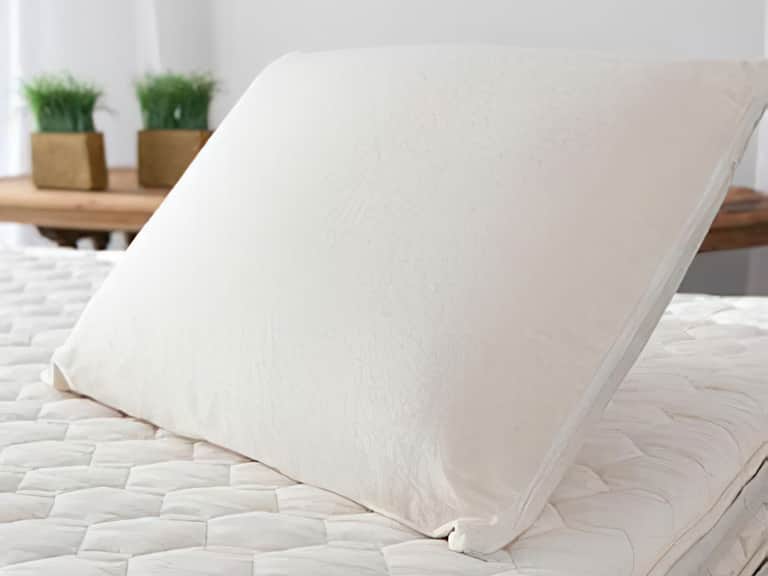
A great mattress benefits from compatible pillows and protective layers. Our example product, the Savvy Rest Organic Latex Soap-Shaped Pillow, demonstrates how a breathable latex design can support side sleepers with targeted contours. A waterproof, organic mattress protector like Naturepedic Organic Waterproof Mattress Protector helps maintain the mattress’s longevity and breathability without off-gassing, while a latex- or wool-filled pillow can complement your bed’s contouring.

A Practical Guide to the Mattress-Layer Ecosystem

The modern sleep environment combines several layers of technology. A top comfort layer—soft to medium—dictates initial feel. Underneath, a responsive core—foam, latex, or coils—defines support and durability. A breathable bottom layer and protective covers influence moisture and temperature regulation. Here, we consider a few concrete product references that illustrate the range of options available in the market today.

Savvy Rest Organic Latex Soap-Shaped Pillow

A simple Dunlop molded latex pillow crafted with hollow channels to promote airflow. Ideal for side sleepers seeking supportive contour with a touch of give. The organic cotton outer casing enhances breathability and comfort.

Product: Savvy Rest Organic Latex Soap-Shaped Pillow (ID 592) — $149.00

Naturepedic Organic Waterproof Mattress Protector

A durable, GOTS-certified organic cotton protector with a slim waterproof barrier. Breathable yet protective, designed to block spills and dust mites without off-gassing or PVC.

Product: Naturepedic Organic Waterproof Mattress Protector (ID 302) — $129.00

These products illustrate a spectrum: a pillow designed for air flow and posture, and a mattress protector designed to preserve the surface while maintaining a healthy sleep climate. In choosing a mattress, you are selecting a broader system—one that includes sheets, toppers, protectors, and pillows. The right combination aligns with your body, your climate, and your rituals, creating a sleep environment that is as nourishing as it is restorative.

Conclusion: A Sleep-Rich Life

Choosing a mattress is not a one-off purchase; it’s a commitment to a nightly ceremony. The right surface invites you to breathe easier, drop the shoulders, and let the day’s tension fall away. It is the stage on which your body's rhythms can settle into a healthier cadence. By understanding how memory foam, innerspring, and hybrids respond to movement and temperature, and by embracing a thoughtful trial process, you can craft a sleep environment that supports your well-being—physically, emotionally, and cognitively.

As we navigate a world of endless choices, the mattress becomes a quiet ally. It is a space where science meets comfort, and where the past’s whisper of rest answers the present’s demand for energy. In the end, the best mattress is the one that makes you feel at home in your own body—restorative, balanced, and ready for whatever comes with the dawn.

Note: The article above references select product examples to illustrate the breadth of options available in the bedding ecosystem. For a broader catalog, consider exploring a curated collection of organic latex pillows and waterproof mattress protectors to complement your core mattress choice.

Savvy Rest Organic Latex Soap-Shaped Pillow

Experience restful nights with our Organic Latex Soap-Shaped Pillow, designed for side sleepers. Its breathable channels promote airflow, while the supportive yet gentle latex offers perfect comfort. Enjoy a refreshing sleep wrapped in a soft, organic cotton casing.

Price: $149.00

View Product
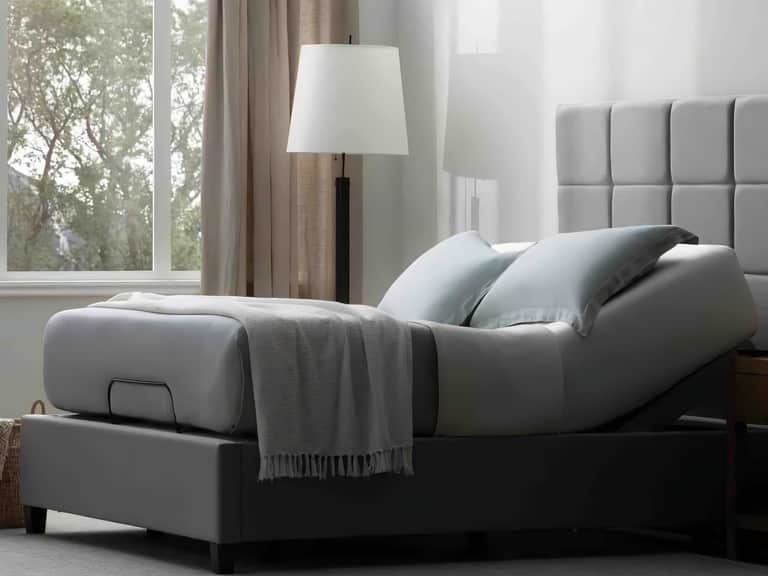
Malouf S655 Smart Adjustable Bed Base

Transform your bedroom into a personalized retreat with the Malouf S655: customizable head/foot positions, nine massage options, and Siri control for effortless comfort, all backed by a 20-year warranty and easy 15-minute setup.

Price: $1,799.00

View Product
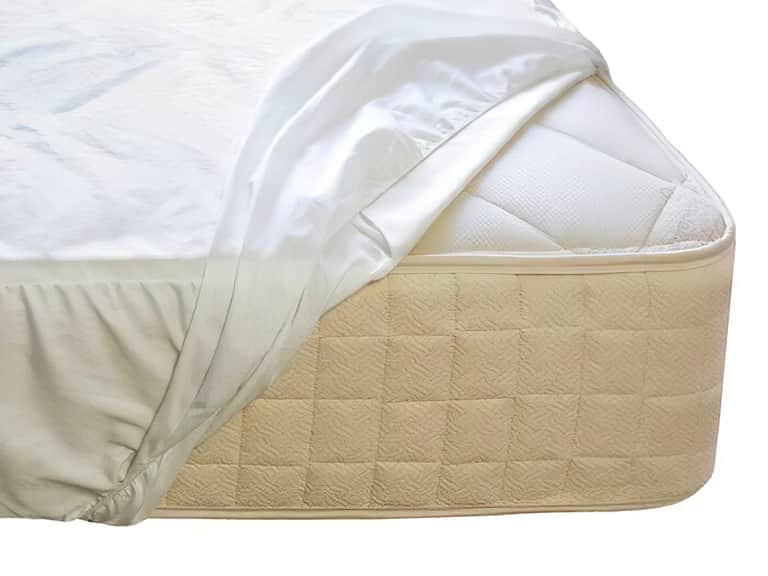
Naturepedic Organic Waterproof Mattress Protector

Sleep soundly knowing your mattress is shielded by Naturepedic's organic protector. Made from soft, breathable cotton, it’s waterproof yet quiet, keeping you cool and comfortable. Plus, it blocks allergens for a healthier sleep environment. Easy care and a perfect fit!

Price: $129.00

View Product