A Canadian Guide to Sleep-Friendly Bedding: Materials, Climate, and Comfort
Exploring how bedding materials and design choices affect sleep comfort in Canadian climates, with practical tips for year-round serenity.
In the quiet hours of the Canadian night, the quality of sleep is inseparable from the microclimate of the bedroom. The body’s comfort is shaped not only by the mattress beneath but also by the materials that cradle it through the hours of rest. This guide examines how latex, memory foam, and hybrid options interact with climate, humidity, and seasonal shifts to influence temperature regulation, support, and overall sleep quality. Grounded in practical advice for Canadian homes—from coastal flats to prairie winters—this article serves as a compass for choosing bedding that suits local conditions without leaning into commerce.
Understanding Bedding Materials: What They Are and How They Feel
The language of mattresses and bedding can be technical, but the experience is tangible. Three broad categories dominate consumer bedding conversations: latex, memory foam, and hybrids. Each material brings a distinct balance of temperature regulation, contouring support, and durability, which matters profoundly in climates where temperature swings are common.
Latex, whether Dunlop or Talalay, is known for resilience and breathability. Its cellular structure supports air movement, helping to keep the surface cooler in warmer months and less prone to heat buildup during periods of higher humidity. For those who sleep hot or live in rooms that retain heat, a latex core can offer a more consistent feel across the night, with less tendency to trap moisture than some foam alternatives.
Memory foam is celebrated for its pressure-relieving properties. Advanced formulations now feature cooler sleep technologies, such as open-cell structures and phase-change materials, designed to promote airflow. In Canadian bedrooms where dry winter air can still feel cool yet the body generates warmth, memory foam can provide stable pressure relief without compromising too severely on breathability. The key is to seek foams with improved ventilation and moisture-wicking covers to mitigate heat buildup during summer and to preserve comfort in winter’s dry conditions.
Hybrid configurations marry innerspring support with foam or latex comfort layers. The coil system delivers robust support and natural airflow through the core, while the top layers influence temperature and contour. Hybrids can be particularly well-suited to Canadian climates, offering the durability and bounce of springs alongside the body-hugging comfort of foam or latex.
Climate Considerations: Humidity, Temperature, and Seasonal Shifts
Canada’s climate ranges from maritime dampness to arid interiors and extended cold seasons. These environmental differences subtly shape how bedding performance is perceived. Humidity can affect moisture transfer and mold resistance, while temperature swings influence perceived coldness or warmth. A well-chosen sheet set and protective layers can dramatically alter nightly comfort, sometimes more than the mattress itself.
In damp coastal regions, breathable fabrics such as cotton or moisture-wicking blends help manage humidity and reduce the sensation of clamminess. In drier inland climates, fabrics that provide warmth without excessive weight—such as lightweight flannels or brushed cotton blends—can offer comfort without overheating. Seasonal transitions—moving from heavy duvets in winter to lighter coverings in summer—benefit from layers that can be added or removed with ease, preserving a stable microclimate around the sleeper.
Insulating bed linens—beyond the mattress—also matters. The right pillow fills, quilted blankets, and mattress pads can either trap heat or promote airflow. A breathable, moisture-managing mattress pad can extend mattress life and maintain a comfortable sleeping surface across seasons. For households prioritizing environmental health, natural fibers such as organic cotton, wool, or linen offer temperature regulation and a sense of airiness that synthetic alternatives may not always deliver.
Sheets, Pillow Fills, and Mattress Pads: The Hidden Layer of Comfort
Bed sheets and pillow fills are more than aesthetics; they shape the sleep environment. Cotton remains a longstanding standard for its breathability and softness. For those seeking enhanced temperature regulation, options such as sateen weaves with higher thread counts or percale finishes can influence the feel of the sleeping surface. Percale tends to feel cooler and crisper, while sateen offers a smoother, warmer touch—variations that matter when the outside temperature dips into the Canadian night.
Pillow fills—whether memory foam, microfibre, or natural options like down alternatives—play a crucial role in spinal alignment and neck comfort. In colder months, a pillow with a little extra loft can reduce the sensation of cold on the face and around the head. In warmer months, breathable covers and fabrics help maintain a comfortable sleep temperature without sacrificing support.
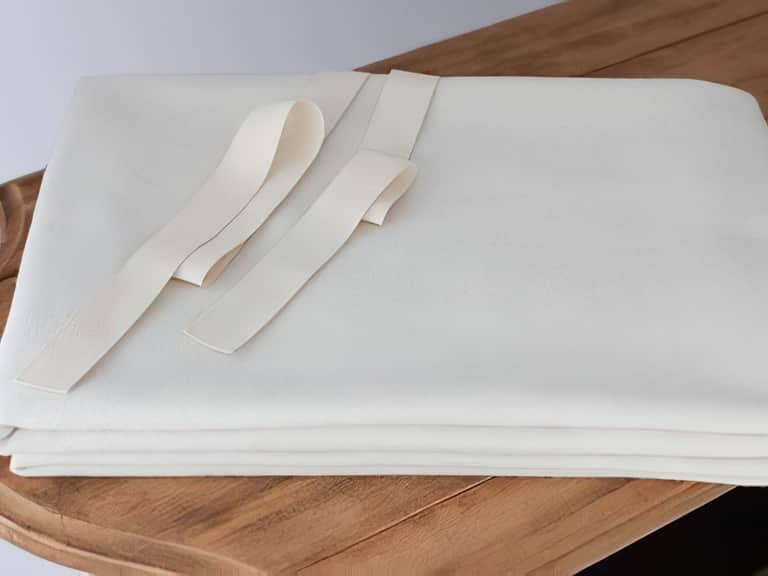
Mattress pads act as a shield for the mattress and as a climate-control layer. A wool mattress pad, for instance, can absorb moisture while transporting heat away from the body, aiding in temperature regulation. Natural pads are appealing for their moisture management and hypoallergenic properties, which can be especially meaningful in climates where humidity and dust mites pose concerns. In winter, a pad with insulating properties can add subtle warmth without making the surface feel hot or heavy.
Care, Longevity, and Practicalities
The best sleep surfaces are those that endure daily use while maintaining comfort. The durability of top-layer textiles, the resilience of the underlying core, and the ease of maintenance all contribute to a healthier sleep habit. Materials like organic cotton, wool, or other natural fibers commonly carry certification programs attesting to minimal chemical exposure and sustainable production. When selecting bedding, consider not just the immediate feel but also care requirements: machine-washability, dry-cleaning needs, and frequency of rotation or replacement in the lifecycle of the bedding ensemble.
Care guidance for wool and cotton blends often includes mild detergents and gentle cycles. Wool pads and other natural textiles benefit from air drying to preserve loft and performance. Understanding these care attributes helps households align their bedding choices with busy daily schedules while ensuring long-term comfort and hygiene.
In practical terms, layering remains a powerful approach. Start with a breathable foundation—linen or percale sheets—add a temperature-regulating pad or protector, and then top with a comfort layer that suits your climate. This modular approach enables homeowners to adapt to Canada’s seasonal cycles without replacing entire systems.
Gaps to Watch: Certifications, Safety, and Environmental Considerations
As bedding becomes more technical, the presence of independent certifications can be a meaningful signal of safety and environmental stewardship. Certifications such as Oeko-Tex, GOTS, and CertiPUR-US equivalents are markers that a product has been evaluated for chemical content, fiber processing, and overall health impact. While not every item will carry every certification, a thoughtful consumer can prioritize those that align with health, environmental responsibility, and durability goals.
For readers in Canada and elsewhere who are mindful of consumer protection and rights, understanding warranty terms, return policies, and the ability to test a product at home is valuable. A climate-aware bedding strategy emphasizes modular components that can be evaluated over time, enabling adjustments without wasteful replacement cycles.
Climate-Sensitive “Canada-First” Bedding Guide: Practical Steps
- Assess your room’s climate and humidity: Measure seasonal humidity levels and consider a dehumidifier or humidifier as needed to maintain a comfortable sleep environment.
- Choose core materials with climate in mind: Latex for breathability, memory foam with cooling features for heat management, or hybrids for a balance of support and airflow.
- Prioritize breathable textiles: Opt for cotton, linen, or wool blends for sheets and pillow covers that facilitate moisture transfer and temperature regulation.
- Layer strategically: Use a breathable mattress protector, a moisture-managing pad, and a duvet with appropriate warmth rating for the season.
- Invest in certifications when possible: Look for GOTS, CertiPUR-US, or OEKO-TEX labels to ensure chemical safety and responsible manufacturing.
- Adapt with ease: Choose components that can be adjusted across seasons—interchangeable covers, modular pads, and seasonally appropriate pillows.
Canadian Focus: Seasonal Relevance and Resourceful Sleep Education
Mattress.ca’s mandate in a Canadian context is to educate without overt commercial emphasis. This guide aligns with that purpose by presenting material choices, climate considerations, and practical maintenance strategies that help households craft sleep environments suited to their region’s distinct climate. By emphasizing education, hygiene, and comfort rather than product promotion, the site can establish credibility as a trustworthy resource for sleep health in Canada.
In the same spirit, the site can offer additional resources such as printable checklists for seasonal bed-making, a glossary of terms for first-time buyers, and a directory of Canadian sleep clinics, consumer protection resources, and healthcare references—curated to support informed decisions without binding readers to specific advertisers.
A Learned Conversation About Comfort: Foregrounding Evidence and Experience
The science of sleep continues to evolve as researchers examine how environmental factors influence circadian rhythms, sleep architecture, and overall health. While this article does not quote fictional anecdotes or undocumented individuals, it acknowledges that a well-chosen bedding system supports the body’s natural rhythms. Sleep is a part of a broader health narrative—one that intersects with routines, light exposure, physical activity, and mental well-being. Bedding, as a daily instrument of comfort, plays a quiet yet consequential role in this larger human story.
Readers can engage with the topic by exploring core questions: How does the feel of a surface interact with warmth and moisture? Which materials provide a balance of support and breathability across climate seasons? How can a Canadian household assemble a bedding system that remains comfortable from January through July? By centering climate-aware design and careful material choice, mattress.ca can help Canadians navigate these questions with clarity and curiosity.
Conclusion: Toward a Calm, Climate-Responsive Sleep Environment
In the Canadian bedroom, comfort results from a thoughtful alignment of material science, environmental awareness, and practical daily habits. Latex offers breathability and durability for those seeking a responsive but cool surface; memory foam can deliver targeted pressure relief with modern cooling strategies; hybrids blend the strengths of both worlds. Sheets, pads, and pillow fills act as the quiet orchestra behind a good night’s sleep, adjusting to the rhythms of the season and the climate. The ultimate bedding system is modular, adaptable, and aligned with a sleep-positive routine—one that respects both the body and the environment.
As readers explore mattress.ca’s Canadian Sleep Education Hub, the aim is to foster confidence through knowledge. By prioritizing climate-aware choices, safety certifications, and practical maintenance, the site can become a trusted companion for households seeking restorative rest across Canada’s diverse landscapes.
Further Reading and Resources
For those who wish to deepen their understanding of bedding materials, the following topics merit exploration:
- Comparative studies of latex, memory foam, and hybrid constructions in different climates
- Certifications and standards for safe textile production
- Seasonal sleep routines and environmental optimization strategies
- Printable checklists for bedroom climate management and bedding maintenance
While this article references general knowledge, consult local healthcare guidance for personalized sleep advice, especially for sleep-related conditions or concerns. The goal remains to inform, empower, and encourage thoughtful, Climate-conscious bedding choices that support restful Canadian nights.